


About This Book
Physicians have long pledged to adhere to four basic moral principles: autonomy, beneficence, non-maleficence, and justice. To advocate for those principles on behalf of patients, clinicians must first ensure patients have appropriate medical resources from which to glean information. This edition revisits that thesis and extends it across new domains of patient communication.
Building on the first edition, this updated volume incorporates additional studies on the readability of online medical materials, socioeconomic and demographic determinants of health literacy, and language-specific assessments of comprehension in underserved populations. The work continues a programmatic line of inquiry whose findings have appeared in JAMA Internal Medicine and other high-impact venues.
Published by Nova Science Publishers as part of the Public Health in the 21st Century series.
About the Editors
-
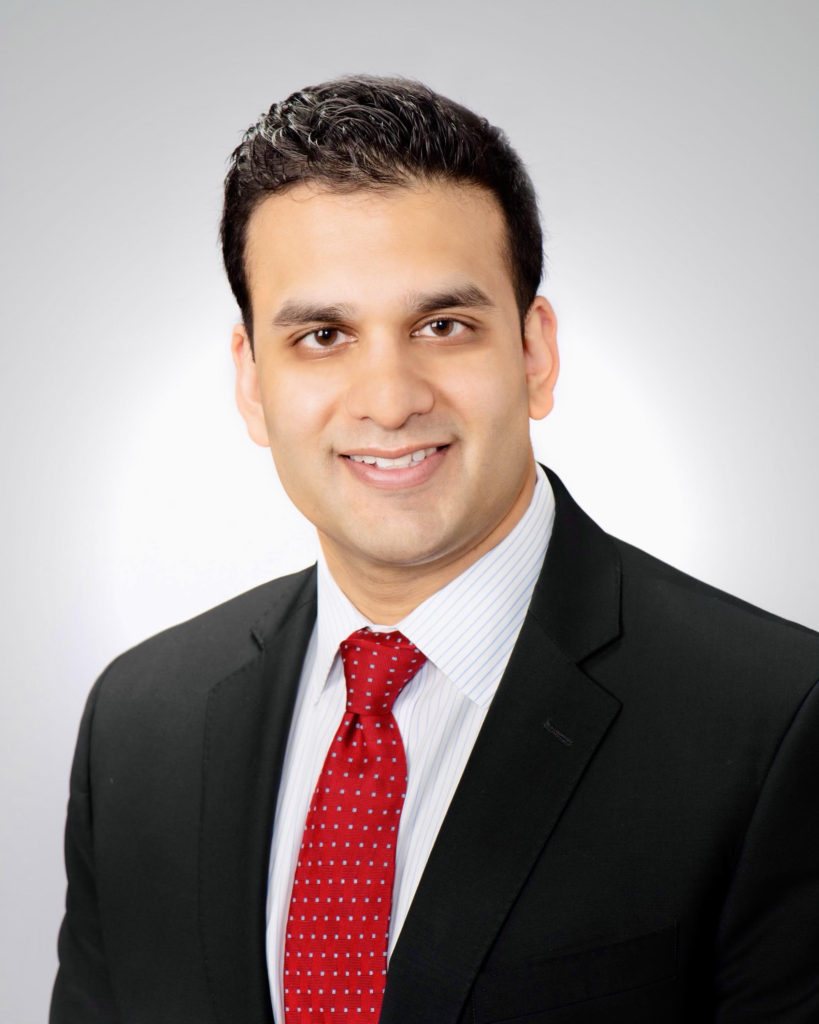
Nitin Agarwal, MD, MBA, FACS
Editor
Acting Chief and Site Residency Program Director of Neurological Surgery at the Veteran Affairs Pittsburgh Healthcare System and Director of the Spine Computational Outcomes Learning Institute (SCOLI). He is board-certified in neurological surgery with fellowship training in complex and minimally invasive spine surgery, and earned his MBA from The Wharton School. His work spans neurotrauma outcomes, spine surgery outcomes, socioeconomic research, and patient education, with over 350 publications and more than 350 presentations.
-

David Hansberry, MD, PhD
Editor
Interventional radiologist in the Department of Radiology at Inspira Health Network. Completed his Diagnostic Radiology residency at Thomas Jefferson University Hospital and holds BS, MS, and PhD degrees in Biomedical Engineering from Rutgers University. He has published widely across medical, scientific, and engineering journals.
-

Arpan Prabhu, MD
Editor
Radiation oncologist whose research focuses on health literacy and patient education. He has authored more than 60 peer-reviewed articles in venues including the JAMA consortium and the International Journal of Radiation Oncology · Biology · Physics, and has presented his work at numerous regional and national conferences.